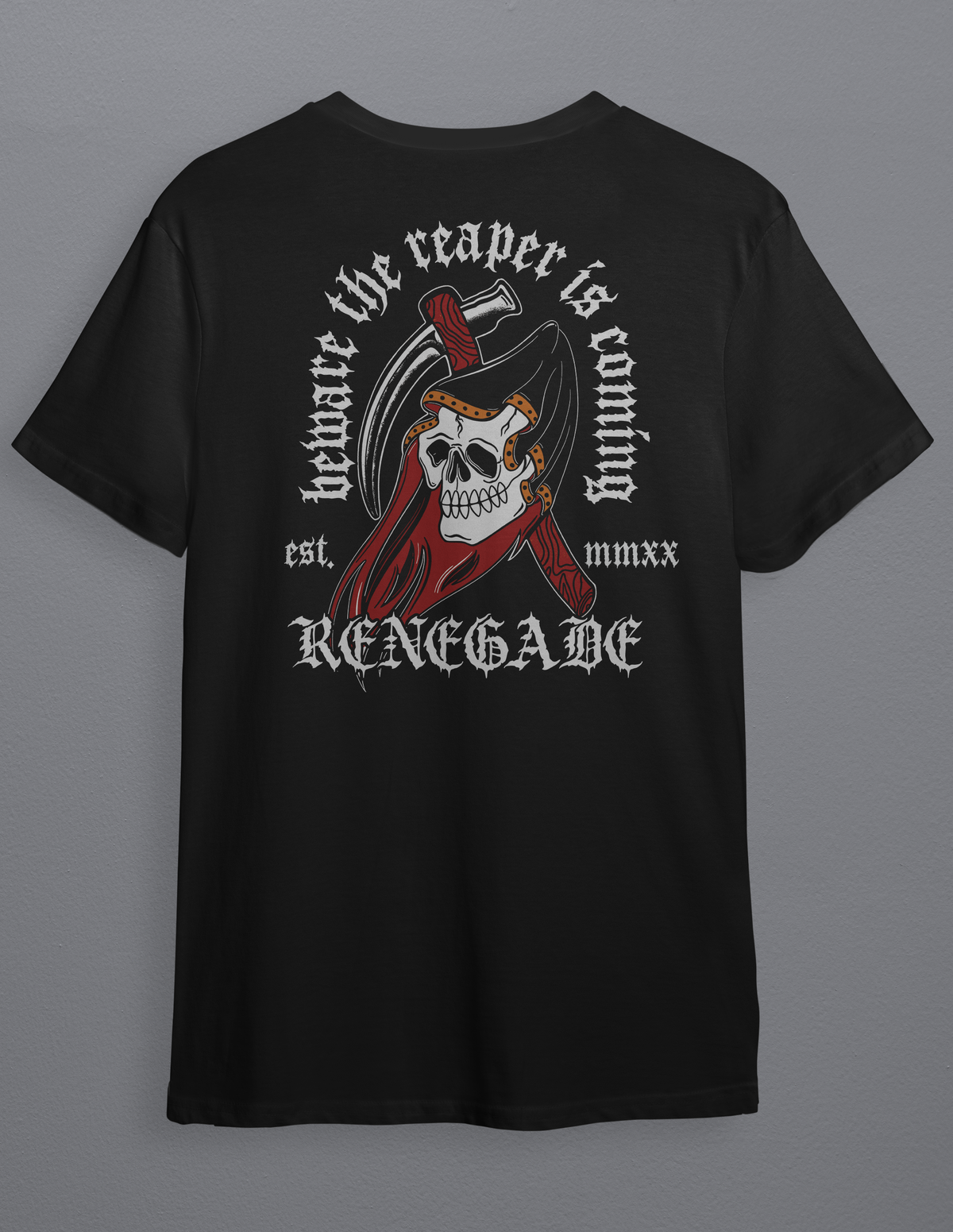
Screen printing, DTF and DTG can all produce durable clothing when the process is set up and cured correctly. There is no honest universal answer to "which lasts longest?" because ink system, transfer materials, pretreatment, curing, garment fabric and washing all affect the result.
Screen printing
Screen printing pushes ink through a mesh stencil onto the garment, normally one colour or separation at a time. The setup takes longer, which is why the process is especially efficient for repeated runs. Depending on the ink system and deposit, the print can have anything from a soft feel to a heavier surface layer.
Good screen printing has a long reputation for durability, but the process name alone is not a guarantee. Ink choice, cure temperature and time, fabric and wash care still matter.
DTF / DTFilm
Direct-to-film prints the artwork onto film, applies an adhesive powder, cures that layer and then heat-presses the finished transfer onto the garment. It handles detailed, multi-colour work efficiently and can be applied to a wide range of fabrics.
DTF usually has a more noticeable surface feel than DTG. Durability depends heavily on the film, adhesive powder, press settings and garment care; a properly produced transfer can last for a very long time.
DTG
Direct-to-garment prints textile ink directly onto the fabric and then cures it with heat. Dark garments normally require pretreatment and a white ink base so the colour remains visible. DTG is particularly useful for detailed, multi-colour artwork and short runs.
A well-produced DTG print can be durable and can have a softer hand than a transfer because the ink is applied directly to the garment. Results still depend on pretreatment, ink, cure and fabric.
So which lasts longest?
For simple, bold designs produced well at volume, screen printing remains a strong benchmark. But a good DTF or DTG print should not be dismissed as temporary. The gap between a well-run and badly run process is usually more important than the label on the process itself.
What matters to the customer
If you are buying a graphic tee, look for clear garment-care instructions and a seller that understands its production process. A durable print starts in production and is then helped by sensible washing: follow the care label, use a low temperature where appropriate, avoid direct ironing on the print and limit high heat in the dryer.
For care advice, read How to Wash Graphic Tees Without Ruining the Print.