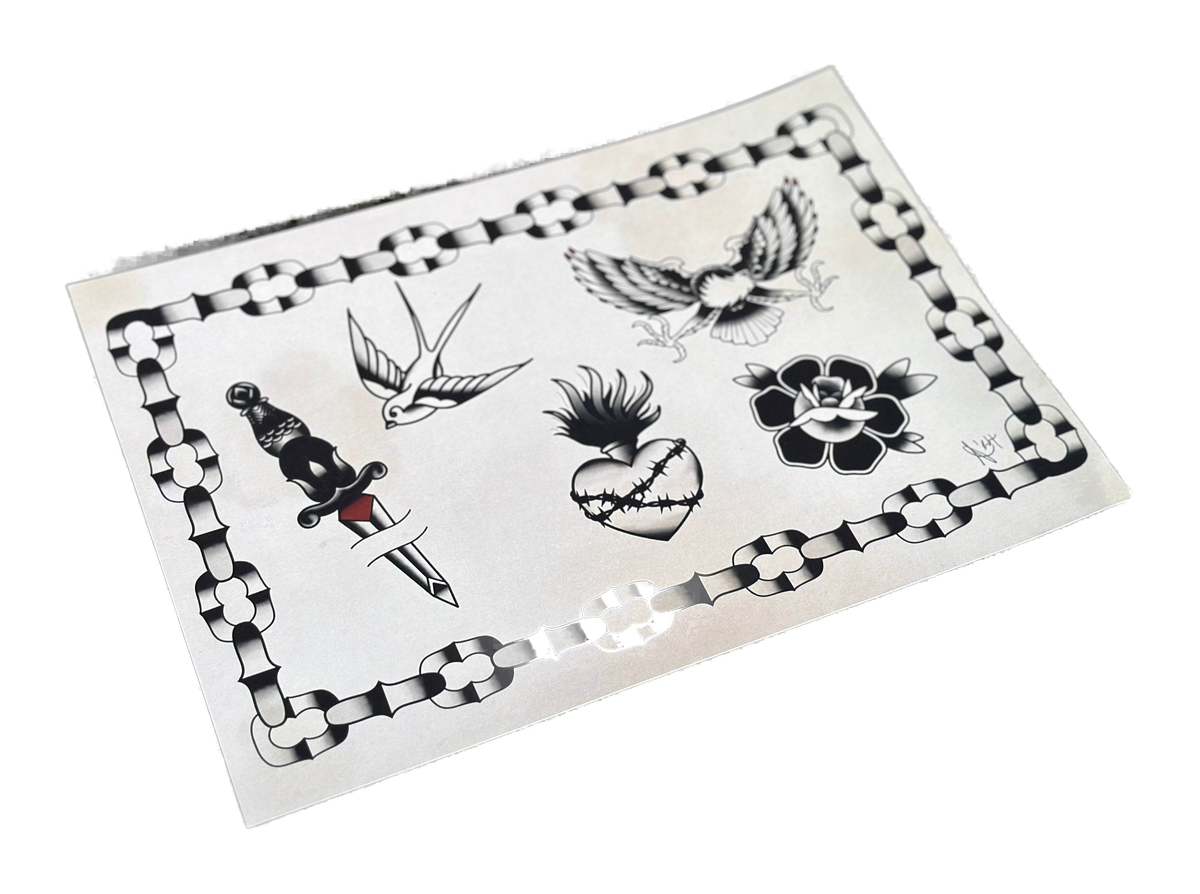
There is nothing automatically more original about a pencil drawing than a digital one. An artist can create original work with ink, Procreate, Photoshop, Illustrator or a mixture of all four. The more useful distinction for a graphic tee is original artwork versus stock or widely licensed artwork.
Digital does not mean generic
A digitally drawn graphic can be completely original if it was created for that design. Equally, a hand-drawn-looking image can come from a stock library and appear on dozens of unrelated products. The tool does not tell you who authored the work.
What stock artwork actually is
Stock illustration is artwork licensed for reuse. There is nothing inherently wrong with licensing, but it creates a different product: several businesses may legally use the same image, sometimes with only minor changes to text or colour.
What original artwork changes
When a graphic is made specifically for one collection, the composition, line weight, print size and subject can be designed around the garment rather than adapted after the fact. It also gives the brand a visual language that can carry across several releases instead of relying on unrelated assets.
Can you tell by looking?
Not reliably. A consistent body of work, visible design process and graphics that connect across a range are better clues than whether something looks "hand drawn." Seeing the exact same illustration across unrelated shops can be a sign of stock licensing, but it is not proof of wrongdoing.
How Original Renegade approaches it
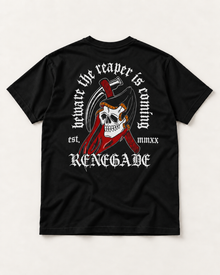
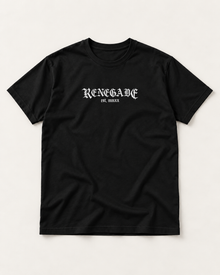
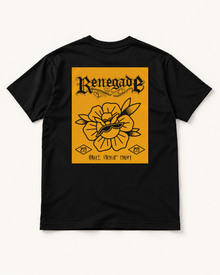
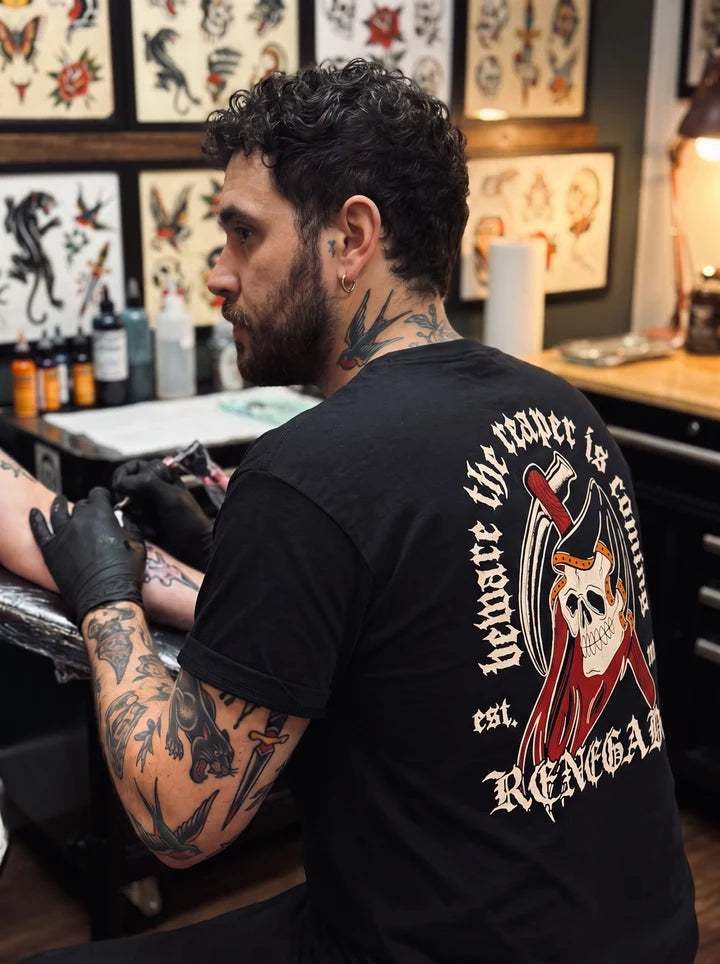
Our graphics begin as concepts and artwork made for the range, then the files are prepared digitally for the print method and garment. Some pieces are more visibly hand-inked, others cleaner and more graphic. The point is authorship and intent, not pretending digital tools do not exist.
Browse the current Tattoo Graphic Tees and Streetwear Clothing.