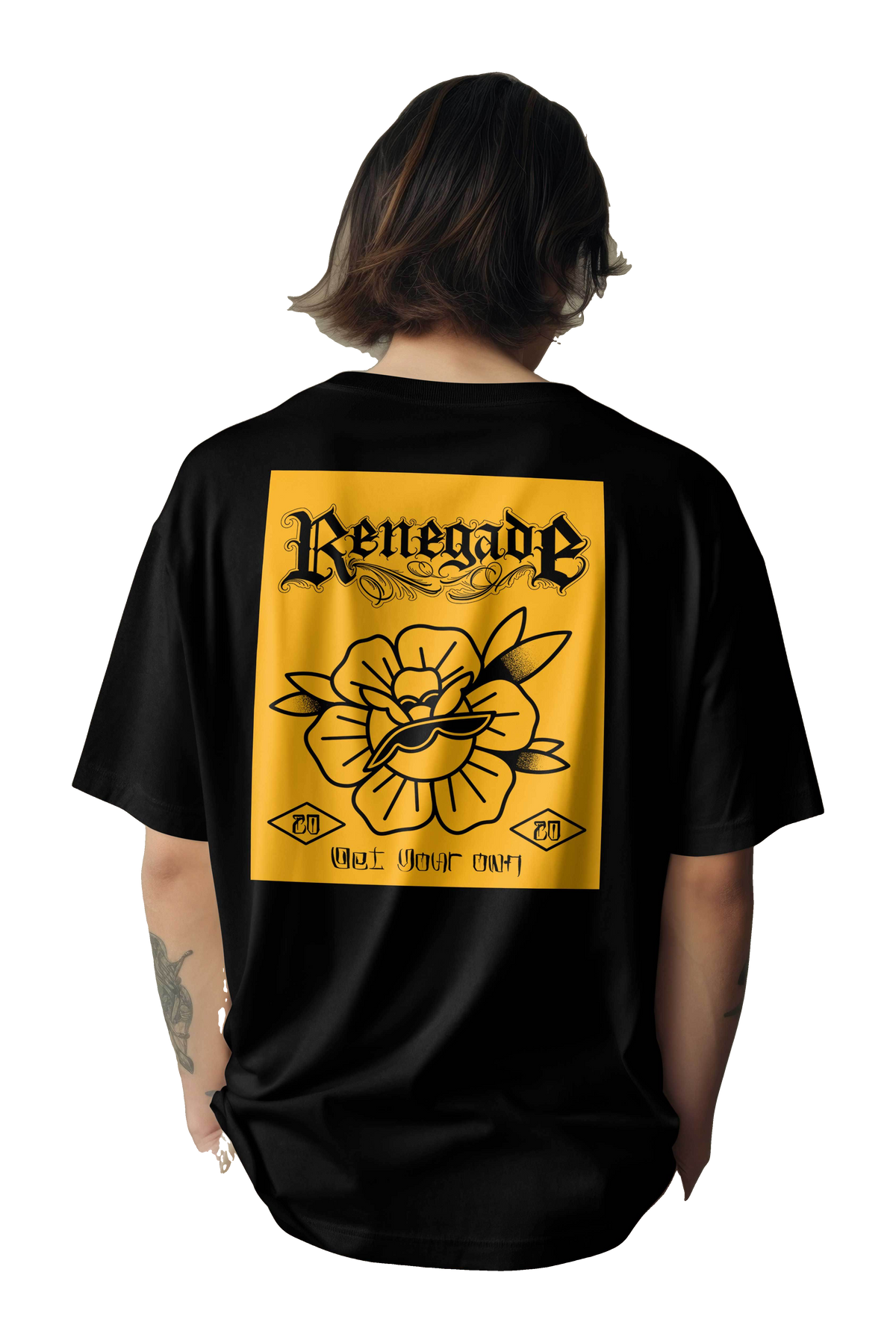
The rose is one of traditional tattooing's most reusable motifs. It can carry meaning, but there is no single historic definition that every rose tattoo shares. Its longevity comes partly from symbolism and partly from how well the shape works as flash.
Why roses work in traditional tattooing
A rose can be reduced to a strong circular silhouette, heavy outer petals, leaves and a small number of colour shapes without losing its identity. That makes it readable on skin, paper and clothing and easy to pair with other motifs.
Common associations
Love, beauty, remembrance and passion are all common rose associations well beyond tattooing. Thorns can add ideas of difficulty, defence or contrast, but a tattoo does not need thorns to be a legitimate traditional rose and they do not create one mandatory meaning.
Pairing changes the reading
A rose beside a dagger feels different from one beside a swallow, skull or name banner. The surrounding image, wording and personal context often do more to shape the meaning than the flower alone.
Colour changes the mood
Red is the most familiar traditional choice and naturally brings love and passion to mind. Black or very dark roses can feel more mournful or gothic. Those are visual associations rather than rules.
Why the motif lasts
The rose survives changes in tattoo fashion because it is both flexible and instantly readable. It can be the main image, a framing element or a small piece of filler without losing the character of traditional flash.
See our Classic Rose Graphic Tee, browse Tattoo Graphic Tees, or read the broader Traditional Tattoo Motifs guide.